
Rustic Boulangere Potatoes Recipe: A Cozy French Classic

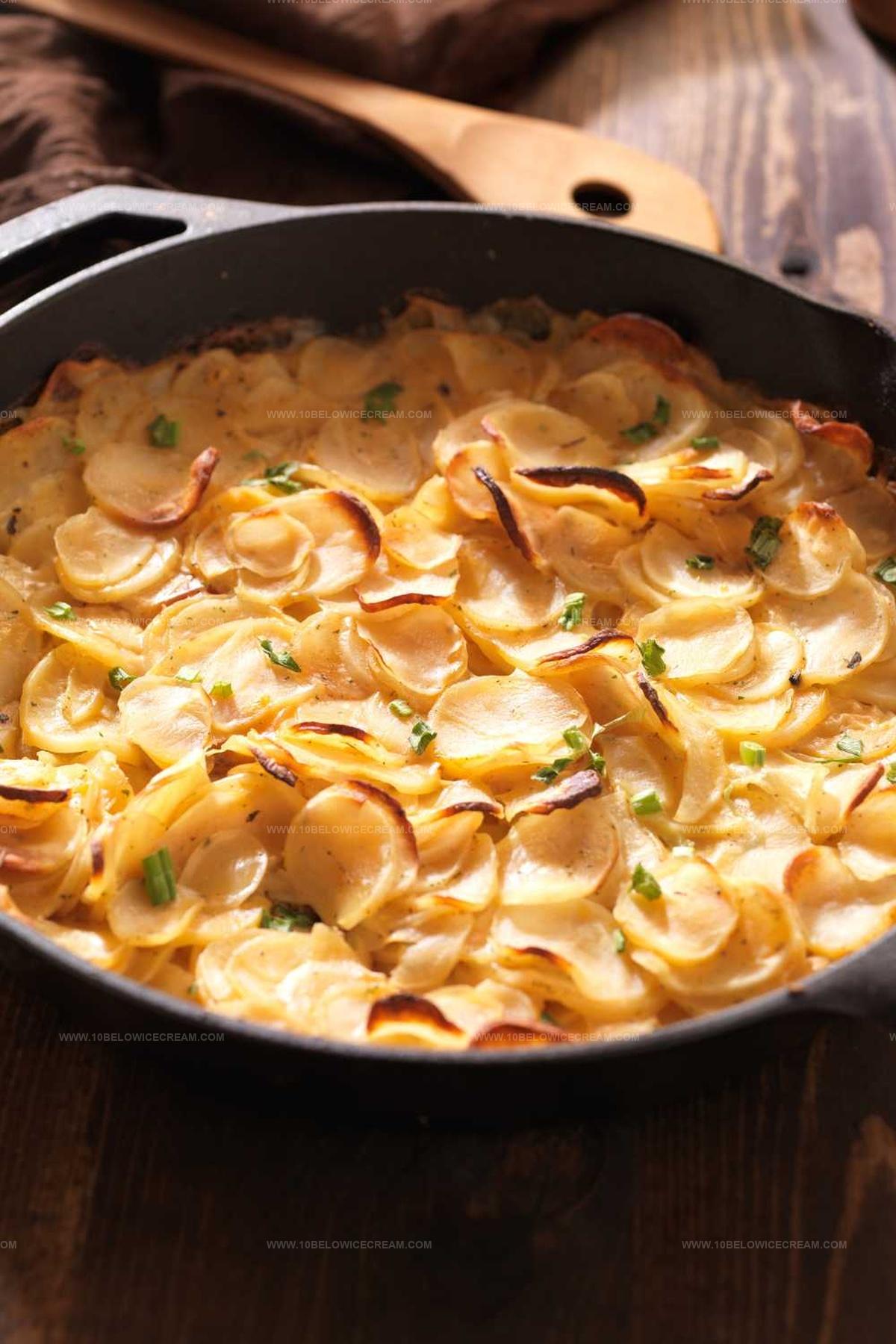
Creamy, layered boulangere potatoes have been a delightful French countryside staple for generations.
Rustic kitchens across normandy perfected this comforting dish with simple, hearty ingredients.
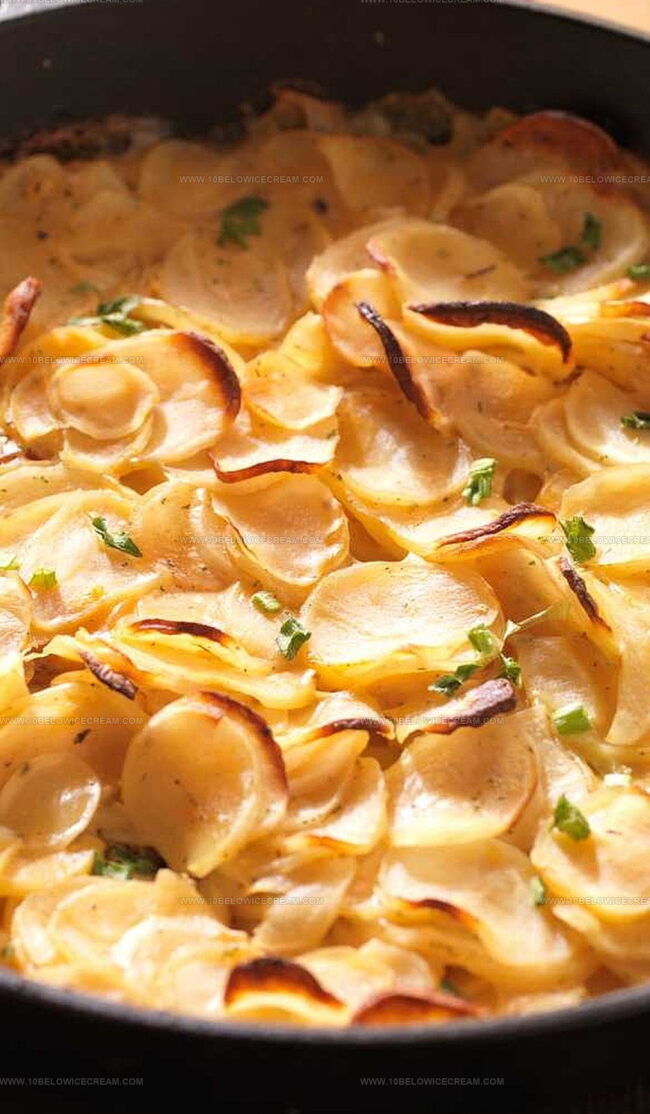
Thinly sliced potatoes create delicate, translucent layers that melt together beautifully.
Aromatic herbs and slow-cooked onions infuse each bite with incredible depth.
Generous amounts of warm stock help transform humble vegetables into an extraordinary side dish.
Skilled home cooks understand that patience creates magical culinary moments.
You’ll want to savor every single delectable forkful of this classic French recipe.
Why Mary Berry Boulangere Potatoes Are Worth Making
Everything Needed For Mary Berry Boulangere Potatoes
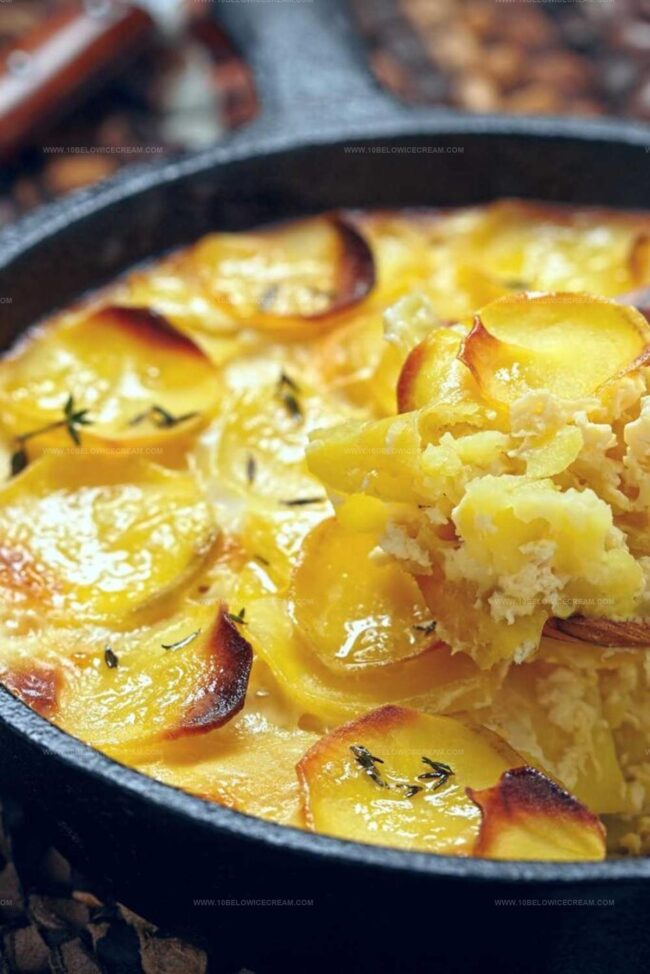
Main Ingredients:Liquid Components:Seasoning:How To Cook Mary Berry Boulangere Potatoes
Step 1: Preheat The Oven
Fire up your oven to a toasty 400 degrees Fahrenheit, ensuring it reaches the perfect temperature for creating a golden, crispy potato masterpiece.
Step 2: Caramelize Onions
In a skillet, sauté onions with fresh thyme leaves in olive oil. Cook slowly until the onions transform into a sweet, golden-brown delight, releasing their rich, deep flavors.
Step 3: Prepare Potato Slices
Grab your potatoes and slice them into thin, uniform rounds. Rinse the slices under cool water to remove excess starch, which helps achieve a perfect texture.
Step 4: Create Layered Potato Landscape
Grease a baking dish and start building your potato layers. Alternate between potato slices and caramelized onions, sprinkling salt and pepper between each layer to ensure every bite is packed with flavor.
Step 5: Drench With Liquid Gold
Pour chicken or vegetable stock over the layered potatoes, allowing the liquid to seep through and infuse each slice with moisture and additional depth.
Step 6: Bake To Perfection
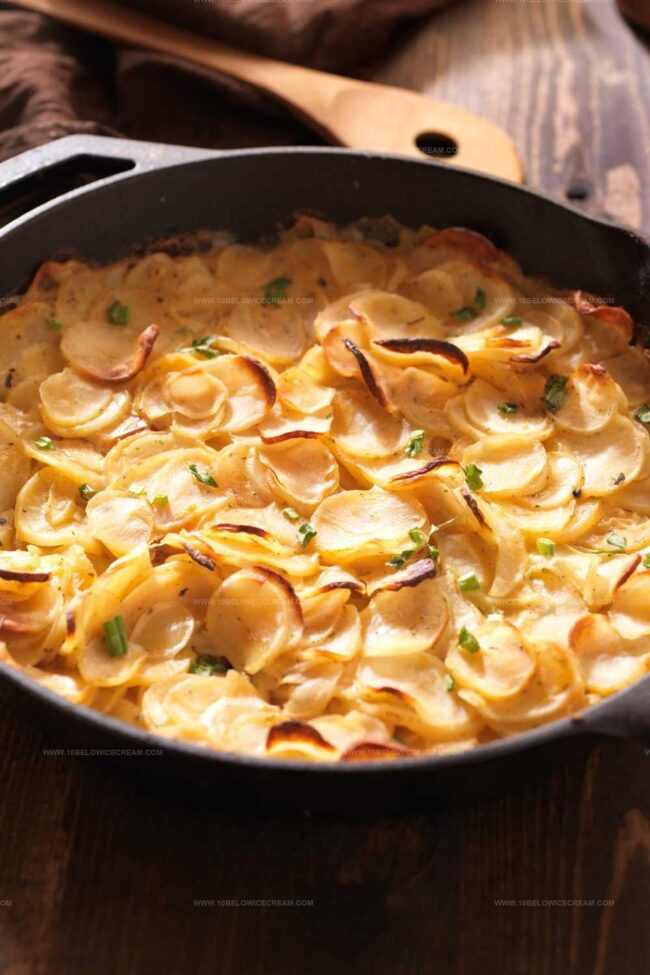
Slide the dish into the preheated oven and bake uncovered for 50-60 minutes. Watch as the top turns a beautiful golden brown and the potatoes become incredibly tender.
Step 7: Let The Dish Rest
Remove from the oven and let the potatoes rest for 5 minutes. This allows the flavors to settle and makes serving easier. Enjoy your mouthwatering boulangere potatoes as a stunning side dish.
Tips That Help With Mary Berry Boulangere Potatoes
Ways To Switch Mary Berry Boulangere Potatoes
Tasty Sides For Mary Berry Boulangere Potatoes
How To Store Mary Berry Boulangere Potatoes Right
Common Questions About Mary Berry Boulangere Potatoes
A classic French potato dish where thinly sliced potatoes are layered with onions and herbs, then baked in stock until golden and tender, creating a light and flavorful side dish.
Rinsing removes excess starch, helping the potato layers cook evenly and preventing them from becoming gummy or sticky during baking.
Stock adds more flavor, but water can work. However, using chicken or vegetable stock significantly enhances the taste and richness of the dish.
While a mandoline creates uniform slices, a sharp knife can also work. The key is to slice potatoes thinly and evenly for consistent cooking.
Print
Boulangere Potatoes Recipe
- Total Time: 1 hour 15 minutes
- Yield: 4 1x
Description
Boulangere potatoes reveal French countryside comfort, blending rustic potato layers with aromatic herbs and delicate cream. Crisp-edged, golden-topped slices promise a delightful culinary journey you’ll savor with each delectable bite.
Ingredients
Vegetables:
- 1.5 kg (3.3 pounds) floury potatoes (Maris Piper or Desiree), peeled and sliced thinly
- 2 onions, thinly sliced
- A few sprigs fresh thyme
Liquids:
- 425 milliliters (14.4 fluid ounces) vegetable stock
- 2 tablespoons olive oil
Seasonings:
- Salt to taste
- Pepper to taste
Instructions
- Preheat the oven to a robust 200°C (180°C fan) to ensure optimal cooking temperature.
- Sauté onions with fresh thyme in olive oil, gently coaxing them to a soft, golden-brown state that releases their sweet, caramelized essence.
- Carefully mandoline or thinly slice potatoes, then rinse under cold water to remove excess starch and prevent discoloration.
- Create alternating layers in a generously buttered baking dish, strategically positioning potato slices and caramelized onions, sprinkling sea salt and cracked black pepper between each delicate stratum.
- Gently pour aromatic stock over the layered composition, allowing liquid to permeate through the potato layers and infuse deep flavor.
- Bake uncovered for 50-60 minutes, watching for a burnished golden crust and ensuring potatoes become meltingly tender throughout.
- Allow the dish to rest for 5 minutes, permitting flavors to settle and edges to crisp slightly before serving, which helps maintain structural integrity when plating.
Notes
- Slice potatoes uniformly using a mandoline or sharp knife to ensure even cooking and a beautiful presentation.
- Rinse potato slices thoroughly to remove excess starch, helping them crisp up and preventing a gummy texture.
- Use low-sodium chicken or vegetable stock to control salt levels and customize the dish’s flavor profile.
- Make this dish vegetarian by substituting vegetable stock and ensuring all ingredients are plant-based.
- Prep Time: 15 minutes
- Cook Time: 50-60 minutes
- Category: Dinner, Lunch, Appetizer
- Method: Baking
- Cuisine: French
Nutrition
- Serving Size: 4
- Calories: 270 kcal
- Sugar: 3 g
- Sodium: 200 mg
- Fat: 7 g
- Saturated Fat: 1 g
- Unsaturated Fat: 6 g
- Trans Fat: 0 g
- Carbohydrates: 46 g
- Fiber: 5 g
- Protein: 4 g
- Cholesterol: 0 mg
Jackson Reid
Founder & Recipe Developer
Expertise
Education
Holyoke Community College – HCC-MGM Culinary Arts Institute
Certificate in Culinary Arts
Focus: Farm-to-table cuisine, sustainable cooking practices, and hands-on kitchen training
Jackson’s love for cooking began one dish at a time. After earning his Culinary Arts Certificate from Holyoke Community College’s HCC-MGM Culinary Arts Institute, he focused on what mattered most: creating recipes that are simple to follow and full of flavor.
At 10 Below Ice Cream, Jackson brings together global influences and a less-is-more approach. His recipes reflect his belief that good food doesn’t need to be complicated; it just needs to make sense, taste great, and feel right.
When he’s not testing ingredients or adjusting seasonings, you’ll find him hiking near Asheville, exploring local markets, or chasing the best light for food photos.